

Introduction
Industrial plants depend on effective flow management to maintain stable processes, protect equipment, and improve operational efficiency. Dampers are important mechanical components used to regulate, divert, or isolate air, gas, smoke, and process exhaust within ducting and ventilation systems. A reliable manufacturer in India Damper can provide engineered solutions for industries that operate under challenging conditions such as high temperature, pressure, dust, corrosive gases, and continuous operation. Modern industrial dampers can be designed in different configurations and operated manually, pneumatically, electrically, or hydraulically according to project requirements. Their applications include power plants, steel facilities, cement plants, chemical industries, refineries, mining operations, boilers, furnaces, dust collection systems, and process exhaust installations. Proper selection requires consideration of duct dimensions, operating temperature, pressure, media characteristics, leakage requirements, and operating frequency.
Understanding Industrial Dampers
An industrial damper is a mechanical device installed within a duct, exhaust line, ventilation system, or process gas network to control the movement of air or gases. Depending on its design, it can regulate flow continuously, redirect a process stream, or provide isolation between different sections of a system. The operating mechanism may use rotating blades, sliding plates, louvers, or other closure arrangements.
The design of a damper depends on its intended purpose. A control damper is generally selected when flow regulation is important, while an isolation damper is designed to separate equipment or sections of ductwork. Some applications require high sealing efficiency, whereas others prioritize low pressure drop and smooth flow characteristics. Because industrial conditions vary significantly, dampers are commonly engineered according to the actual process requirements rather than relying on one universal design.
Why Choose a Manufacturer in India Damper Solution
India has a broad industrial manufacturing base serving power, steel, cement, chemical, oil and gas, mining, pharmaceutical, and engineering industries. This creates demand for locally engineered flow-control equipment that can accommodate different plant layouts and operating conditions. Choosing a manufacturer in India Damper solution can provide opportunities for customized dimensions, suitable materials, actuator selection, and application-specific construction.
Local manufacturing can also simplify communication between engineering teams, plant operators, and suppliers during a project. Technical information such as drawings, duct dimensions, temperature requirements, pressure conditions, and operating methods can be reviewed before production. A manufacturer with appropriate design and fabrication capabilities can then develop a damper suited to the actual process. This approach can help improve compatibility and reduce problems associated with using unsuitable standard equipment.
Types of Industrial Dampers
Industrial facilities use several damper configurations depending on their flow-control and isolation requirements. Butterfly dampers are commonly used for regulating or isolating airflow and gases. Their relatively simple construction can make them suitable for various ducting systems. Multi-louver dampers use multiple blades and can provide effective control across larger openings.
Guillotine dampers are generally selected where strong isolation is required, while diverter dampers are used when gas or air needs to be directed between different process paths. Poppet, radial-vane, stack, flap, and other specialized designs can also be selected for particular applications. Manufacturers may produce manual, pneumatic, electric, hydraulic, or automated versions. The appropriate configuration should be determined by considering the process medium, operating temperature, pressure, required leakage level, and frequency of operation.
Applications in Power Plants
Power generation facilities contain numerous systems where controlled movement of air and flue gases is essential. Dampers can be installed around boilers, fans, flue-gas systems, gas treatment equipment, ducts, and exhaust systems. They may be used to regulate flow during normal operation or isolate sections when maintenance is required.
High-temperature applications can place significant demands on damper construction and sealing components. Therefore, material selection and structural design are important considerations. Depending on the plant configuration, dampers may need to operate under elevated temperatures, pressure differences, dust loading, or corrosive gas conditions. An experienced manufacturer in India Damper supplier can engineer equipment around these operating parameters and provide suitable actuation and sealing arrangements for power-sector applications.
Applications in Steel and Cement Industries
Steel and cement plants often operate with high temperatures, heavy dust loads, abrasive particles, and demanding production schedules. Flow-control equipment used in these environments must be mechanically strong and capable of performing reliably under difficult conditions. Dampers can help regulate process air, exhaust gases, furnace flows, and dust collection systems.
In cement manufacturing, dampers can be used in kiln systems, fans, bag filters, gas treatment equipment, and ducting. Steel plants may require them for furnace exhaust, fume extraction, air handling, and process-gas systems. Proper construction and sealing can help maintain system efficiency while limiting unwanted leakage. Manufacturers serving these sectors generally consider temperature, pressure, gas composition, dust concentration, duct size, and operating frequency when engineering the final product.
Material Selection for Damper Construction
Material selection is one of the most important aspects of industrial damper engineering. The selected material should be compatible with the operating environment and process medium. Carbon steel can be suitable for many general industrial applications, while stainless steel and alloy materials may be selected when improved corrosion or temperature resistance is required.
Special applications may require advanced materials or protective coatings to withstand aggressive process conditions. The blade, frame, shaft, bearings, and sealing elements may each require careful consideration. In high-temperature applications, thermal expansion must also be considered during design. A qualified manufacturer in India Damper provider can evaluate these factors before manufacturing the equipment, helping ensure that the finished product is appropriate for the expected service conditions.
Customized Damper Design
Industrial plants frequently have different duct dimensions and process conditions, making customization an important part of damper manufacturing. A customized unit can be designed around the available installation space, duct geometry, process requirements, and desired operating method. Circular, rectangular, square, and other configurations can be produced depending on the application.
Customization may include the damper dimensions, blade arrangement, shaft construction, sealing method, actuator type, mounting arrangement, and materials. Large process systems may require reinforced frames or specialized sealing systems. Automated installations may also require position indicators, limit switches, or control-system integration. Engineering the product around the actual application can improve compatibility and reduce the possibility of mechanical or operational problems after installation.
Manual and Automated Damper Operation
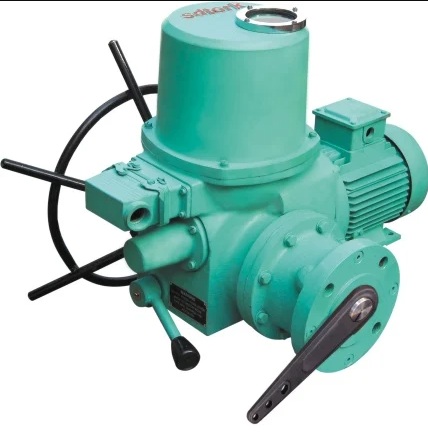
The operating mechanism should be selected according to the size, location, operating frequency, and automation requirements of the damper. Manual dampers may use hand wheels, levers, or chain mechanisms and can be appropriate where operation is occasional and the equipment is easily accessible.
Pneumatic and electric actuators are commonly considered when remote or automatic operation is required. Hydraulic systems may also be used in applications that require suitable operating force. Automated dampers can be connected to plant control systems, allowing operators to monitor and adjust their position from a centralized location. This can be particularly beneficial when equipment is installed in hot, dusty, elevated, or otherwise difficult-to-access areas. Modern damper systems can therefore form part of broader industrial automation strategies.
Importance of Sealing and Leakage Control
Sealing performance is critical when a damper is intended for isolation. Unwanted leakage can reduce process efficiency and may create operational or maintenance challenges. The required sealing level depends on the application and the purpose of the damper. Isolation applications may require significantly tighter sealing than basic airflow regulation.
Seals must be selected according to temperature, pressure, chemical exposure, dust loading, and movement frequency. Some specialized industrial designs use advanced sealing arrangements to achieve high isolation performance. Proper installation and periodic inspection are also necessary because seals can wear or deteriorate over time. Manufacturers may offer different sealing configurations depending on the customer’s required performance.
Quality Manufacturing and Testing
Manufacturing quality directly affects the reliability and operating life of industrial dampers. Accurate fabrication ensures that blades, shafts, frames, bearings, and seals work together correctly. Dimensional accuracy is particularly important because improper alignment can increase friction, create leakage, and accelerate component wear.
Testing can provide additional confidence before the damper is installed at the plant. Depending on the product and application, inspection may include dimensional checks, functional operation, leakage evaluation, actuator testing, and other project-specific requirements. Some Indian manufacturers highlight in-house design, manufacturing, and testing capabilities for industrial damper systems.
Benefits of Working With an Experienced Indian Manufacturer
An experienced manufacturer can provide more than the physical damper itself. Engineering support can help customers determine suitable designs, materials, operating mechanisms, and sealing arrangements. This is particularly valuable when the application involves high temperatures, unusual duct dimensions, corrosive gases, abrasive dust, or frequent operation.
A manufacturer in India Damper provider with appropriate technical expertise can also coordinate product specifications with existing equipment. This can be important when a new damper must fit into an established ducting system or connect with an existing actuator and control arrangement. Customized manufacturing and technical support can contribute to smoother project execution and more reliable operation over the equipment’s service life.
Maintenance and Long-Term Performance
Regular maintenance helps maintain the performance of industrial dampers. Inspection schedules should be based on the operating environment and frequency of use. Components such as blades, shafts, bearings, seals, actuator connections, and guide mechanisms should be checked periodically for wear, corrosion, deposits, or abnormal movement.
In dusty applications, accumulated material can interfere with blade movement and sealing. High-temperature environments may require additional inspection of seals and structural components. Automated dampers should also be checked for proper actuator operation and position feedback. Preventive maintenance can identify small problems before they develop into major failures, helping reduce unplanned downtime and maintenance costs.
How to Select the Right Damper Manufacturer
Selecting the right manufacturer involves more than comparing product prices. Buyers should consider engineering capability, manufacturing infrastructure, material options, testing procedures, customization capability, and experience with similar industrial applications. The manufacturer’s ability to understand process requirements can be especially important for specialized projects.
Before requesting a quotation, customers should ideally provide information such as duct size, process medium, operating temperature, pressure, flow rate, installation orientation, desired leakage level, operating frequency, and actuator preference. Complete technical information enables the manufacturer to recommend a more appropriate solution. Evaluating after-sales support and availability of replacement components can also be beneficial for long-term plant operation.
Future of Industrial Damper Technology in India
Industrial automation, energy efficiency, emissions management, and process optimization are influencing the development of modern flow-control equipment. Plants increasingly require components that can operate reliably while integrating with centralized monitoring and automation systems. This creates opportunities for manufacturers to develop smarter and more application-specific damper solutions.
Future systems may increasingly combine robust mechanical construction with electronic position feedback, automated control, improved sealing, and condition monitoring. At the same time, traditional requirements such as durability, accurate fabrication, and resistance to challenging process conditions will remain important. Indian manufacturers with strong engineering capabilities can support these changing requirements by developing customized products for both domestic and international industrial projects.
Conclusion
Industrial dampers are essential components for controlling, diverting, and isolating air and gases in many industrial processes. Their applications extend across power generation, steel, cement, chemical processing, mining, oil and gas, manufacturing, and pollution-control systems. Choosing the correct design requires careful consideration of temperature, pressure, flow, media characteristics, duct dimensions, sealing requirements, and operating conditions.
A capable manufacturer in India Damper provider can offer customized solutions that combine suitable materials, reliable construction, appropriate actuation, and application-specific engineering. From basic flow regulation to demanding isolation duties, properly designed dampers can contribute to safer and more efficient plant operation. By selecting a manufacturer with strong technical expertise, quality manufacturing practices, and dependable support, industries can obtain flow-control equipment designed for reliable long-term performance.
:::
