
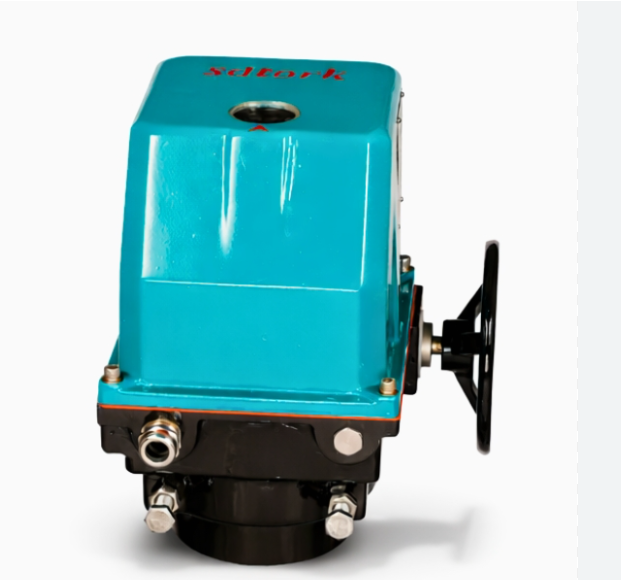

Flameproof Electric Actuator for Safe Industrial Operations
Introduction
Industrial automation has transformed the way manufacturing plants, energy facilities, and processing industries operate. Modern facilities rely on advanced equipment that delivers precision, safety, and efficiency while minimizing manual intervention. Among the most important components used in automated valve control systems are electric actuators. These devices convert electrical energy into mechanical movement, enabling valves and dampers to open, close, or regulate flow accurately.
A Flameproof Electric Actuator is specifically designed to operate safely in hazardous environments where flammable gases, vapors, or combustible dust may be present. By preventing internal sparks or explosions from igniting the surrounding atmosphere, these actuators play a vital role in maintaining workplace safety.
Similarly, a Nuclear Grade Electric Actuator is engineered to perform reliably under the demanding conditions found in nuclear facilities. It must withstand extreme temperatures, radiation exposure, seismic activity, and long operational lifecycles without compromising performance.
A Chemical Plant Electric Actuator is another specialized solution that supports automated operations in chemical processing plants. These actuators resist corrosive chemicals, moisture, and harsh industrial conditions while delivering consistent valve control.
As industries continue to adopt automation, these specialized actuator types have become essential for improving productivity, operational reliability, and worker safety.
Understanding Electric Actuators
Electric actuators are motor-driven devices that automate the movement of industrial valves. Instead of relying on manual operation, they use electric motors, gear systems, and electronic controls to regulate valve positions with exceptional precision.
These actuators are widely used in industries where accurate flow control is critical. They eliminate the need for continuous manual operation, reduce maintenance requirements, and improve production consistency.
A Flameproof Electric Actuator is particularly valuable in hazardous environments where explosion protection is mandatory. At the same time, a Chemical Plant Electric Actuator helps maintain precise flow control despite exposure to aggressive chemicals. For nuclear applications, a Nuclear Grade Electric Actuator ensures dependable performance even during emergency operating conditions.
Importance of Flameproof Electric Actuator
Industrial facilities handling combustible gases or vapors require equipment that minimizes ignition risks. Electrical devices operating in these environments must be specially designed to contain any internal explosion without allowing flames to escape.
A Flameproof Electric Actuator meets these demanding safety requirements by incorporating robust enclosures capable of containing internal ignition. Even if an electrical fault occurs, the surrounding hazardous atmosphere remains protected.
The use of a Flameproof Electric Actuator provides several operational advantages. It improves plant safety, minimizes downtime, enhances compliance with industrial safety standards, and supports long-term automation reliability. These actuators are commonly installed on automated valves controlling fuel, gas, petroleum products, and volatile liquids.
Another benefit is their ability to perform consistently under difficult environmental conditions such as dust, humidity, vibration, and outdoor exposure.
Features of Flameproof Electric Actuator
A high-quality Flameproof Electric Actuator offers numerous technical features that make it suitable for hazardous industrial environments.
Heavy-Duty Enclosure
The enclosure is designed to withstand internal pressure and prevent flames from escaping into the surrounding atmosphere.
Reliable Electric Motor
Industrial-grade motors provide consistent torque output while maintaining stable operating performance.
Accurate Position Control
Modern actuators deliver precise valve positioning for improved process efficiency.
Corrosion Protection
Protective coatings help resist rust, moisture, and harsh environmental conditions.
Manual Override
Many systems include a manual override mechanism, allowing valve operation during power failures.
Weather Resistance
Outdoor installations benefit from durable construction that protects against rain, dust, and extreme temperatures.
Applications of Flameproof Electric Actuator
A Flameproof Electric Actuator is widely used in industries where explosive atmospheres may exist.
These applications include oil processing facilities, fuel handling systems, gas distribution networks, offshore installations, storage terminals, mining operations, power generation facilities, wastewater treatment plants, and industrial manufacturing units.
Its ability to provide reliable valve automation while maintaining explosion protection makes it an essential component in hazardous process environments.
Understanding Nuclear Grade Electric Actuator
A Nuclear Grade Electric Actuator is designed for one of the world’s most demanding industrial environments. Nuclear facilities require equipment capable of operating reliably during both normal operation and emergency conditions.
Unlike conventional actuators, these units undergo extensive testing for durability, radiation resistance, seismic performance, thermal stability, and long-term reliability.
A Nuclear Grade Electric Actuator supports automated valve operation in critical systems where uninterrupted performance is essential for plant safety.
Because maintenance opportunities are often limited inside nuclear facilities, these actuators are engineered with exceptional durability and minimal maintenance requirements.
Features of Nuclear Grade Electric Actuator
The engineering standards for a Nuclear Grade Electric Actuator are significantly more demanding than standard industrial actuators.
Radiation Resistance
Special materials maintain structural integrity despite prolonged radiation exposure.
High Temperature Performance
The actuator continues operating reliably under elevated temperatures.
Seismic Qualification
Equipment is tested to withstand earthquake conditions without performance loss.
Long Service Life
Premium components ensure dependable operation for extended periods.
Precision Automation
Accurate valve positioning supports stable and efficient plant operations.
High Reliability
Redundant safety features reduce the risk of operational failure.
Applications of Nuclear Grade Electric Actuator
A Nuclear Grade Electric Actuator is commonly installed in nuclear power facilities where valve automation supports cooling systems, steam control, emergency shutdown mechanisms, water circulation systems, containment systems, and auxiliary plant operations.
Its exceptional reliability helps ensure continuous plant safety while supporting highly regulated operational requirements.
Chemical Plant Electric Actuator and Industrial Applications
Chemical industries operate in highly challenging environments where equipment must handle corrosive materials, extreme temperatures, pressure variations, and continuous operation. Automated valve systems are essential for maintaining accurate control over chemical flow, mixing processes, and safety operations.
A Chemical Plant Electric Actuator is specially developed to provide dependable valve automation in chemical processing environments. These actuators are built with protective materials and advanced sealing systems that help prevent damage caused by chemicals, moisture, and industrial contaminants.
In chemical plants, even a small operational error can affect production quality and workplace safety. The use of a Chemical Plant Electric Actuator improves process accuracy by ensuring valves respond quickly and accurately according to system requirements.
These actuators help industries achieve better efficiency, reduce manual work, and maintain consistent production standards. Their ability to operate continuously under demanding conditions makes them an important part of modern chemical automation systems.
Key Features of Chemical Plant Electric Actuator
A Chemical Plant Electric Actuator includes several features that make it suitable for aggressive industrial environments.
Corrosion Resistance
Chemical plants often involve acids, solvents, and reactive substances. Corrosion-resistant construction helps protect the actuator from chemical damage and extends equipment life.
High Torque Performance
Strong motor systems provide sufficient force to operate large industrial valves smoothly.
Environmental Protection
Sealed designs protect internal electrical components from dust, moisture, and chemical exposure.
Precise Valve Regulation
Accurate movement control allows operators to maintain proper flow rates and improve process stability.
Easy Maintenance
Durable components reduce frequent servicing requirements and help minimize production interruptions.
Applications of Chemical Plant Electric Actuator
A Chemical Plant Electric Actuator is used across various chemical processing operations where reliable automation is required.
Common applications include:
- Chemical processing units
- Liquid transfer systems
- Storage and handling facilities
- Water treatment operations
- Pharmaceutical manufacturing
- Petrochemical processing
- Industrial mixing systems
These actuators help maintain smooth operations by controlling valves that manage the movement of liquids, gases, and other process materials.
Comparison Between Different Industrial Electric Actuators
Different industries require different actuator solutions depending on operating conditions. Choosing the correct actuator type improves safety, efficiency, and equipment performance.
| Actuator Type | Main Purpose | Suitable Environment | Major Benefit |
| Flameproof Electric Actuator | Explosion protection and safe valve automation | Hazardous areas with flammable substances | Prevents ignition risks |
| Nuclear Grade Electric Actuator | Reliable operation in critical facilities | Nuclear and high-security environments | Extreme durability and safety |
| Chemical Plant Electric Actuator | Corrosion-resistant automation | Chemical processing industries | Handles aggressive conditions |
Each actuator category is designed with specific industrial requirements in mind. Selecting the right solution ensures better performance and longer operational life.
Advantages of Using Specialized Electric Actuators
Modern industries depend on automation systems that can provide accuracy, reliability, and safety. Specialized electric actuators offer several important advantages.
They reduce the need for manual valve operation, allowing workers to control processes remotely and safely. This is especially valuable in hazardous locations where direct human involvement may increase risk.
A Flameproof Electric Actuator improves safety in explosive environments, while a Nuclear Grade Electric Actuator supports critical operations requiring maximum reliability. Similarly, a Chemical Plant Electric Actuator provides stable performance in corrosive processing conditions.
Additional benefits include:
- Improved operational efficiency
- Reduced maintenance requirements
- Better process control
- Enhanced workplace safety
- Longer equipment lifespan
Factors to Consider Before Selecting an Electric Actuator
Choosing the correct actuator requires careful evaluation of operating conditions and system requirements. Several factors influence the selection process.
Operating Environment
The surrounding conditions determine whether the application requires explosion protection, radiation resistance, or chemical protection.
Valve Requirements
The actuator must provide suitable torque, speed, and movement control according to the valve design.
Temperature Conditions
Extreme heat or cold can affect equipment performance, making temperature resistance an important consideration.
Maintenance Needs
Industries should consider equipment durability and service requirements to reduce operational interruptions.
Safety Standards
Critical industries must select actuators that meet required safety and performance expectations.
Role of Electric Actuators in Industrial Automation
Industrial automation continues to grow as companies focus on improving productivity and reducing operational risks. Electric actuators are becoming increasingly important because they provide accurate and automated valve control.
Unlike manual systems, automated actuators allow operators to monitor and control processes more efficiently. They can be integrated with modern control systems to improve communication, monitoring, and decision-making.
A Flameproof Electric Actuator, Nuclear Grade Electric Actuator, and Chemical Plant Electric Actuator each serve unique industrial purposes while contributing to safer and more efficient operations.
As industries move toward smarter automation technologies, the demand for reliable actuator solutions will continue increasing.
Maintenance Practices for Long-Term Performance
Proper maintenance helps ensure electric actuators deliver reliable service throughout their operating life.
Regular inspection of mechanical components, electrical connections, sealing systems, and protective coatings helps identify potential issues before failures occur.
Industries should monitor unusual sounds, reduced performance, overheating, and inaccurate valve movement. Early detection of problems prevents costly downtime and improves overall system reliability.
For hazardous and critical applications, scheduled maintenance is especially important because equipment failure can affect safety and production efficiency.
Future Development of Industrial Electric Actuators
The future of industrial automation is focused on smarter, more efficient, and highly connected equipment. Electric actuators are expected to include advanced monitoring features, improved energy efficiency, and better digital communication capabilities.
Future actuator designs will focus on predictive maintenance, remote monitoring, and enhanced safety functions. These improvements will help industries optimize performance while reducing operational costs.
Advanced versions of the Flameproof Electric Actuator will continue improving hazardous area protection. The Nuclear Grade Electric Actuator will evolve with stronger reliability features for critical facilities. The Chemical Plant Electric Actuator will continue advancing with improved resistance against demanding chemical environments.
Conclusion
Electric actuators have become essential components in modern industrial automation systems. They provide accurate valve control, improve workplace safety, and support efficient production processes across multiple sectors.
A Flameproof Electric Actuator offers dependable performance in hazardous locations where explosion protection is necessary. A Nuclear Grade Electric Actuator delivers exceptional reliability for highly critical applications requiring long-term stability. A Chemical Plant Electric Actuator provides durable operation in environments exposed to corrosive substances and challenging conditions.
Selecting the right actuator according to industrial requirements ensures improved efficiency, reduced maintenance costs, and safer operations. As industries continue adopting advanced automation technologies, specialized electric actuators will remain a key part of reliable and secure industrial infrastructure.
