

Introduction
Modern industries operate in demanding environments where heat, pressure, and continuous production require dependable equipment to maintain smooth operations. Manufacturing plants, power stations, chemical facilities, cement production units, steel industries, and processing plants all rely on efficient systems that regulate airflow, gases, steam, and liquids. Even a small variation in flow or temperature can affect product quality, increase energy consumption, or lead to costly downtime.
Among the most important components used in these facilities are High Temperature Dampers, Industrial Flow Control Equipment, and Process Control Valves. These products work together to maintain stable operating conditions, improve production efficiency, and protect expensive machinery from excessive wear. Their ability to perform under harsh industrial conditions makes them essential for modern manufacturing and processing systems.
Selecting the right equipment involves understanding operating temperatures, pressure requirements, material compatibility, and the overall design of the industrial process. Properly engineered components not only improve plant reliability but also reduce maintenance costs and extend equipment life. This guide explains how these industrial solutions function, their advantages, common applications, and the factors to consider when choosing the right products for different operating environments.
Understanding High Temperature Dampers
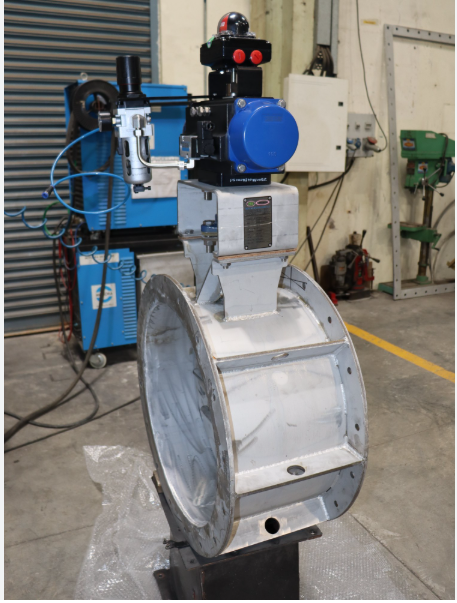
High Temperature Dampers are specialized airflow control devices designed to regulate or isolate hot gases within industrial duct systems. Unlike standard dampers, they are engineered to withstand continuous exposure to elevated temperatures without losing their structural integrity or operating efficiency.
These dampers are commonly installed in systems where hot exhaust gases, combustion air, or process ventilation must be carefully controlled. Their construction typically includes heat-resistant metals, reinforced frames, and precision sealing mechanisms that continue to perform even under severe thermal conditions.
In industrial operations, airflow management directly influences combustion efficiency, emission control, and overall process stability. Proper airflow regulation also minimizes unnecessary heat loss while protecting downstream equipment from excessive thermal exposure. Because of these advantages, High Temperature Dampers are considered an essential component in many industrial heating and exhaust systems.
What Is Industrial Flow Control Equipment?
The term Industrial Flow Control Equipment refers to the broad range of mechanical devices used to regulate the movement of fluids, gases, steam, and air throughout industrial facilities. Rather than functioning independently, these products operate together to create stable, efficient, and safe production systems.
Flow control equipment allows operators to maintain precise operating conditions by controlling pressure, temperature, velocity, and flow rate. This level of control is especially important in automated manufacturing environments where production quality depends on maintaining consistent process parameters.
Modern Industrial Flow Control Equipment is designed to improve energy efficiency, reduce process variations, and support long-term operational reliability. Whether handling clean air, corrosive chemicals, high-pressure steam, or abrasive materials, properly selected equipment contributes significantly to plant performance.
The Role of Process Control Valves
Process Control Valves are among the most important components in industrial automation systems. Their primary function is to regulate the flow of liquids, gases, or steam according to process requirements. Instead of simply opening or closing a pipeline, these valves continuously adjust flow rates based on signals received from automated control systems.
This precise regulation helps maintain stable temperatures, pressures, and production conditions throughout an industrial facility. As production processes become increasingly automated, Process Control Valves play a vital role in ensuring consistent product quality while reducing manual intervention.
Well-designed valves also improve operational safety by preventing excessive pressure buildup and maintaining balanced flow conditions across interconnected processing systems.
How These Components Work Together
Although each component performs a different function, High Temperature Dampers, Industrial Flow Control Equipment, and Process Control Valves operate as part of an integrated industrial system. Dampers regulate airflow through ducts and exhaust systems, while control valves manage liquids and gases within pipelines. Together, they create balanced operating conditions that support efficient production.
Sensors continuously monitor process variables such as temperature, pressure, and flow rate. These measurements are transmitted to automated controllers, which adjust dampers and valves whenever operating conditions change. This coordinated response minimizes fluctuations, improves production consistency, and reduces unnecessary energy consumption.
The integration of these components also enhances equipment protection. By maintaining stable operating conditions, industries experience fewer mechanical failures, lower maintenance requirements, and improved overall system reliability.
Common Materials Used in Manufacturing
The performance of industrial equipment depends greatly on the materials used during manufacturing. Since these products often operate in challenging environments, material selection focuses on durability, corrosion resistance, thermal stability, and mechanical strength.
| Material | Primary Advantage | Typical Application |
| Stainless Steel | Corrosion resistance | Chemical processing |
| Carbon Steel | High strength | General industrial service |
| Alloy Steel | Elevated temperature resistance | Boilers and furnaces |
| Heat-Resistant Alloys | Thermal stability | High-temperature ducts |
| Nickel-Based Alloys | Extreme heat capability | Severe operating conditions |
| Cast Steel | Heavy-duty durability | Large industrial systems |
Using suitable materials ensures long service life while maintaining consistent performance under demanding operating conditions.
Key Features of High Temperature Dampers
The design of High Temperature Dampers focuses on reliability, thermal resistance, and operational efficiency. Modern engineering techniques allow these dampers to withstand repeated heating and cooling cycles while maintaining accurate airflow control.
Their construction minimizes leakage, supports smooth movement, and reduces thermal expansion issues that could otherwise affect performance. Many designs also include reinforced shafts, precision bearings, and durable sealing arrangements to improve long-term reliability.
Because industrial plants often operate continuously, dependable damper performance directly contributes to uninterrupted production and reduced maintenance costs.
Benefits of Industrial Flow Control Equipment
Reliable Industrial Flow Control Equipment offers significant advantages across virtually every industrial sector. One of its greatest benefits is improved process efficiency. Accurate regulation of airflow and fluid movement reduces unnecessary energy losses while helping production systems operate within their intended design parameters.
Another important advantage is equipment protection. Stable operating conditions reduce mechanical stress, vibration, pressure fluctuations, and thermal shock, allowing machinery to operate for longer periods without major repairs. Improved process stability also contributes to consistent product quality, which is especially valuable in industries where manufacturing precision is critical.
In addition, modern flow control systems support increased automation, enabling facilities to respond quickly to changing operating conditions while reducing manual intervention. This results in greater productivity, lower operating costs, and improved workplace safety.
Applications Across Various Industries
The use of High Temperature Dampers, Industrial Flow Control Equipment, and Process Control Valves extends across numerous industries where precise control over airflow, gases, liquids, and pressure is essential. Every industrial process has unique operating conditions, and selecting the right equipment helps maintain efficiency while protecting machinery from excessive wear.
Power generation facilities rely on these components to regulate combustion air, control boiler exhaust, and manage steam systems. Accurate airflow and pressure control contribute to improved fuel efficiency and stable power production. Similarly, cement manufacturing plants depend on high-temperature airflow management to support kiln operations and material processing while reducing unnecessary heat loss.
Steel manufacturing is another sector where extreme temperatures are common. Furnaces, reheating systems, and exhaust ducts require dependable equipment capable of maintaining performance during continuous exposure to intense heat. High Temperature Dampers play a significant role in controlling combustion gases, while Process Control Valves regulate cooling water, hydraulic systems, and steam distribution throughout the production process.
Chemical processing facilities also benefit from reliable Industrial Flow Control Equipment because precise control of fluids and gases directly affects product quality and operational safety. Even minor fluctuations in flow rates can influence chemical reactions, making accurate regulation an important part of the manufacturing process.
Other industries, including mining, glass production, food processing, pharmaceuticals, paper manufacturing, and waste treatment facilities, also depend on efficient flow control systems to maintain productivity and comply with operational standards.
Choosing the Right Process Control Valves
Selecting suitable Process Control Valves requires a detailed understanding of the operating environment rather than focusing only on pipe size or pressure ratings. Every industrial application presents different challenges, including temperature variations, fluid characteristics, operating pressure, and desired control accuracy.
The type of fluid being handled is one of the first considerations. Water, steam, compressed air, corrosive chemicals, and abrasive slurries each require valve materials and internal designs suited to their specific properties. Temperature is equally important because elevated operating conditions demand materials capable of maintaining strength without excessive expansion or deformation.
Pressure ratings should always match or exceed system requirements to ensure reliable operation during peak production conditions. In addition, valve response characteristics must align with the level of control required by the process. Some applications require rapid adjustment, while others perform better with gradual, highly accurate modulation.
Automation compatibility is another factor influencing valve selection. Modern industrial facilities increasingly integrate digital control systems, making it important for valves to operate efficiently with electric, pneumatic, or hydraulic actuators. Properly selected Process Control Valves improve process stability, reduce maintenance, and support long-term operational efficiency.
Maintenance Practices for Long-Term Performance
Even the highest-quality industrial equipment requires regular maintenance to achieve its expected service life. Preventive maintenance not only reduces unexpected failures but also improves safety and minimizes costly production interruptions.
Routine inspections should focus on identifying signs of wear, corrosion, leakage, thermal distortion, or mechanical damage. Moving parts require proper lubrication where applicable, while sealing components should be checked periodically to maintain effective isolation and control.
Cleaning accumulated dust, ash, or process residues is equally important, particularly for High Temperature Dampers operating in combustion or exhaust systems. Excessive buildup can restrict movement and reduce airflow accuracy, affecting the efficiency of the entire process.
Calibration also plays a critical role in automated systems. Sensors, actuators, and Process Control Valves should be tested regularly to ensure they respond accurately to changing operating conditions. Maintaining correct calibration helps preserve product quality while reducing energy consumption.
Developing a planned maintenance schedule allows industrial facilities to identify potential problems before they develop into major equipment failures. This proactive approach significantly lowers repair costs and extends equipment life.
Energy Efficiency and Operational Reliability
Energy efficiency has become one of the primary objectives of modern industrial operations. Rising energy costs and increasing environmental awareness have encouraged industries to optimize every aspect of their production systems. Properly designed Industrial Flow Control Equipment contributes directly to these goals by minimizing energy losses and maintaining efficient operating conditions.
When airflow, pressure, and fluid movement are accurately controlled, equipment operates closer to its optimal performance range. Boilers burn fuel more efficiently, ventilation systems consume less power, and pumping systems require less energy to maintain required flow rates. These improvements translate into measurable reductions in operating costs over time.
High Temperature Dampers also support energy conservation by reducing unnecessary heat loss in exhaust systems. Their ability to isolate process sections when required helps retain valuable thermal energy within industrial systems, improving overall plant efficiency.
Reliable Process Control Valves further enhance operational stability by maintaining consistent flow conditions despite changes in production demand. Stable processes reduce material waste, improve product consistency, and decrease the likelihood of equipment overload or emergency shutdowns.
Future Trends in Industrial Flow Control Technology
Industrial automation continues to evolve rapidly, influencing the design and capabilities of Industrial Flow Control Equipment. Modern systems increasingly incorporate intelligent monitoring technologies that provide real-time operating data and predictive maintenance information.
Digital sensors now enable continuous monitoring of temperature, pressure, vibration, and flow characteristics. This information helps maintenance teams detect developing issues before equipment performance begins to decline. Predictive maintenance strategies reduce unexpected downtime while improving maintenance planning.
Material technology is also advancing. New high-performance alloys and specialized protective coatings increase resistance to heat, corrosion, and abrasion, allowing High Temperature Dampers to operate longer in demanding industrial environments.
Automation integration continues to improve as industrial control systems become more sophisticated. Modern Process Control Valves can communicate directly with centralized monitoring platforms, enabling faster adjustments and more accurate process control. These developments support greater production efficiency while reducing operating costs and improving plant reliability.
As industries continue to modernize, demand for highly efficient, durable, and intelligent flow control solutions is expected to grow steadily across multiple sectors.
Factors That Influence Equipment Performance
Several operating conditions determine how effectively industrial flow control components perform throughout their service life. Understanding these factors helps engineers select equipment that matches process requirements while reducing long-term maintenance expenses.
Some of the most important considerations include:
- Operating temperature and pressure
- Fluid or gas characteristics
- Corrosion and abrasion resistance
- Material compatibility
- Installation quality
- Preventive maintenance practices
- Automation requirements
- Environmental operating conditions
Carefully evaluating these factors during system design helps maximize equipment reliability and overall production efficiency.
Conclusion
Industrial facilities depend on precise control systems to maintain safe, efficient, and reliable operations. High Temperature Dampers, Industrial Flow Control Equipment, and Process Control Valves each play a vital role in regulating airflow, pressure, temperature, and fluid movement across a wide range of industrial applications. Their combined performance supports stable production, reduces equipment wear, improves energy efficiency, and enhances overall process reliability.
Choosing the appropriate equipment requires careful consideration of operating temperatures, pressure conditions, construction materials, automation requirements, and maintenance practices. Investing in properly engineered solutions not only improves day-to-day operations but also extends equipment life and reduces long-term operating costs.
As industrial technology continues to advance, modern flow control systems are becoming more intelligent, efficient, and durable. Facilities that prioritize high-quality equipment and preventive maintenance are better positioned to achieve consistent production, improved safety, and sustainable operational performance in increasingly demanding industrial environments.
