

Introduction
Managing fuel and engine oil safely is essential for anyone who works with vehicles, machinery, or power equipment. Whether you’re maintaining a car, tractor, generator, or boat, tools like a Fuel Caddy and an Oil Drain Pan make the job easier, cleaner, and safer.
A Fuel Caddy allows you to store and transport gasoline or diesel conveniently while reducing spills and waste. Meanwhile, an Oil Drain Pan is a must-have tool for collecting used engine oil during maintenance. Together, these tools simplify vehicle servicing and improve safety in garages, workshops, farms, and construction sites.
In this guide, you will learn everything about choosing, using, and maintaining a Fuel Caddy, along with practical tips for using an Oil Drain Pan effectively.
What Is a Fuel Caddy?
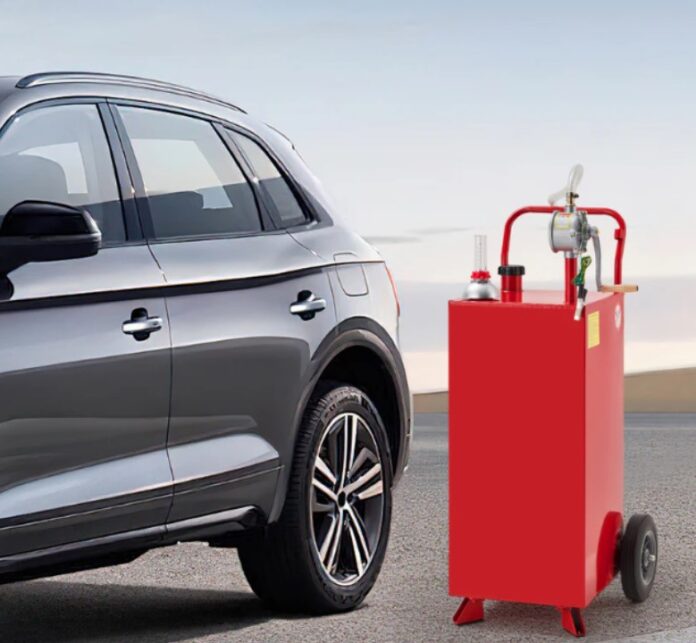
A Fuel Caddy is a portable fuel storage and transfer system designed to safely transport gasoline, diesel, or other fuels. It typically includes a fuel tank, wheels, pump, hose, and nozzle for controlled dispensing.
Instead of carrying multiple small gas cans, a Fuel Caddy allows users to store larger amounts of fuel and transfer it efficiently to vehicles or machines.
Key Components of a Fuel Caddy
Most modern fuel caddies include:
- Fuel storage tank (15–50 gallons capacity)
- Manual or rotary pump
- Dispensing hose and nozzle
- Fuel level gauge
- Heavy-duty wheels
- Anti-spill safety valve
These features make the Fuel Caddy a reliable tool for both professionals and DIY users.
Benefits of Using a Fuel Caddy
Using a Fuel Caddy offers several advantages over traditional fuel containers.
1. Safe Fuel Storage
A Fuel Caddy is designed with safety features that minimize the risk of spills, leaks, or fire hazards.
2. Easy Fuel Transportation
With built-in wheels and handles, moving a Fuel Caddy across a garage or job site becomes effortless.
3. Faster Refueling
The built-in pump system allows users to transfer fuel quickly without lifting heavy containers.
4. Ideal for Multiple Machines
If you maintain several machines, a Fuel Caddy makes refueling faster and more organized.
Examples of machines commonly refueled using a Fuel Caddy include:
- Lawn mowers
- ATVs
- Boats
- Generators
- Tractors
- Construction equipment
What Is an Oil Drain Pan?
An Oil Drain Pan is a container used to collect used engine oil during oil changes.
When the drain plug is removed from a vehicle’s engine, oil flows into the pan rather than spilling onto the floor.
Features of a Modern Oil Drain Pan
Many modern Oil Drain Pan designs include:
- Low-profile design for easy access
- Large oil capacity
- Built-in spouts for pouring
- Wheels for mobility
- Pump systems for transferring used oil
Using an Oil Drain Pan helps keep garages clean and ensures proper oil disposal.
Why Every Garage Needs Both Tools
Although they serve different purposes, the Fuel Caddy and Oil Drain Pan are essential tools for vehicle maintenance.
Fuel Caddy helps with:
- Fuel storage
- Refueling equipment
- Safe fuel transfer
Oil Drain Pan helps with:
- Collecting used oil
- Preventing spills
- Easier oil disposal
Together, they create a safer and more efficient workspace.
How to Choose the Best Fuel Caddy
Selecting the right Fuel Caddy depends on your needs, equipment, and usage frequency.
1. Tank Capacity
Fuel caddies typically come in sizes like:
- 15 Gallon
- 30 Gallon
- 50 Gallon
Choose based on how much fuel you store regularly.
2. Pump Type
There are two main types:
Manual Pump
- Operated by hand
- Affordable
- Reliable
Electric Pump
- Faster fuel transfer
- Requires power source
- Ideal for heavy-duty use
3. Mobility
Look for a Fuel Caddy with:
- Durable wheels
- Ergonomic handle
- Balanced frame
This makes it easier to move across workshops or outdoor spaces.
4. Material Quality
Choose tanks made from:
- Heavy-duty polyethylene
- Steel construction
- Corrosion-resistant materials
A durable Fuel Caddy lasts longer and improves safety.
How to Use a Fuel Caddy Safely
Using a Fuel Caddy correctly ensures safe and efficient fuel transfer.
Step-by-Step Guide
- Place the Fuel Caddy on a flat surface.
- Fill the tank with approved fuel.
- Secure the cap tightly.
- Connect the hose and nozzle.
- Position the nozzle into the fuel tank of the machine.
- Use the pump to transfer fuel.
- Stop pumping once the tank is full.
Safety Tips
- Never overfill the tank
- Store away from heat sources
- Always close the nozzle after use
- Keep the Fuel Caddy in a ventilated area
How to Use an Oil Drain Pan
An Oil Drain Pan makes oil changes cleaner and safer.
Basic Steps
- Position the Oil Drain Pan under the vehicle.
- Remove the oil drain plug.
- Allow oil to drain fully into the pan.
- Replace the drain plug.
- Pour used oil into a recycling container.
Tips for Better Results
- Use a low-profile Oil Drain Pan for smaller vehicles.
- Choose larger capacity pans for trucks or SUVs.
- Always recycle used oil properly.
Common Mistakes to Avoid
Even experienced mechanics sometimes misuse equipment like a Fuel Caddy or Oil Drain Pan.
Fuel Caddy Mistakes
Avoid these common errors:
- Overfilling the tank
- Using the wrong fuel type
- Ignoring leaks
- Storing fuel in hot environments
Oil Drain Pan Mistakes
Common problems include:
- Using a pan that is too small
- Spilling oil during transfer
- Improper disposal of used oil
Avoiding these mistakes keeps your workspace clean and safe.
Maintenance Tips for Long-Term Use
Proper maintenance extends the life of both tools.
Fuel Caddy Maintenance
- Inspect hoses regularly
- Clean the tank periodically
- Check pump operation
- Store indoors when possible
Oil Drain Pan Maintenance
- Clean after every oil change
- Inspect for cracks or leaks
- Store away from chemicals
Maintaining your Fuel Caddy ensures safe fuel storage and efficient operation.
Who Should Use a Fuel Caddy?
A Fuel Caddy is useful for many types of users.
Professionals
- Mechanics
- Construction workers
- Fleet managers
- Farm operators
Home Users
- DIY mechanics
- Lawn care enthusiasts
- Boat owners
- Generator users
Anyone who handles fuel regularly benefits from using a Fuel Caddy.
Buying Recommendations
When shopping for a Fuel Caddy, look for:
✔ Large capacity tank
✔ Durable wheels
✔ Leak-proof design
✔ Easy-to-use pump system
✔ Strong hose and nozzle
For oil maintenance tasks, pair your Fuel Caddy with a reliable Oil Drain Pan for a complete garage setup.
Frequently Asked Questions (FAQ)
1. What is a Fuel Caddy used for?
A Fuel Caddy is used to store and transfer fuel safely to vehicles, machines, generators, and equipment.
2. Can a Fuel Caddy hold both gasoline and diesel?
Yes, many fuel caddies are designed to handle both gasoline and diesel. However, you should avoid mixing fuels in the same tank.
3. What size Oil Drain Pan should I choose?
Most home users choose a 15–20 gallon Oil Drain Pan, while professionals may need larger capacities.
4. Is a Fuel Caddy safe for home garages?
Yes, when used properly and stored in a ventilated area, a Fuel Caddy is safe for home garages.
5. How do I dispose of oil from an Oil Drain Pan?
Used oil should be transferred from the Oil Drain Pan into a sealed container and taken to a recycling center or auto shop.
Conclusion
A Fuel Caddy is one of the most practical tools for safely storing and transferring fuel, especially when working with multiple machines or vehicles. It improves efficiency, reduces spills, and makes refueling easier.
At the same time, an Oil Drain Pan plays an equally important role in vehicle maintenance by collecting used engine oil and keeping workspaces clean.
By investing in both a high-quality Fuel Caddy and a reliable Oil Drain Pan, you can maintain equipment safely, reduce mess, and improve overall maintenance efficiency.
If you regularly handle fuel or perform oil changes, these two tools are essential additions to your garage or workshop.
