
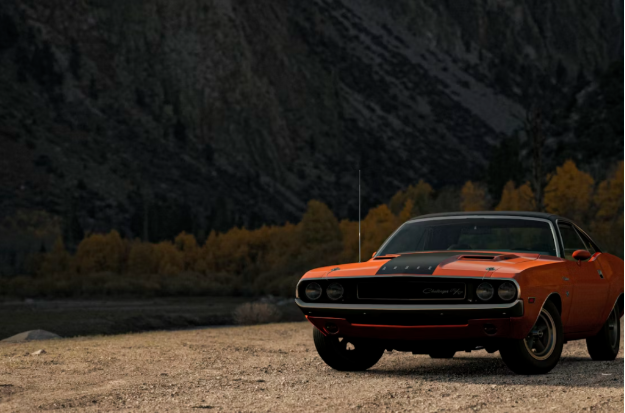

Owning a vintage car is like holding a piece of history in your hands. These classic machines carry stories of an earlier era—where craftsmanship, design, and personality defined automotive excellence. Yet, caring for a vintage car demands patience, precision, and passion.
Each component tells its own story, and proper care ensures that story continues for generations to come.
Understanding Your Car’s Character
Every vintage car has its own quirks and mechanical personality. The first step in care is understanding the model’s history, design, and limitations. Older cars are not built to run like modern vehicles, so forcing them to perform under the same expectations can lead to unnecessary wear.
Take time to learn about your car’s specific maintenance needs—engine type, lubrication requirements, fuel preferences, and any known weak points. Joining vintage car clubs or online forums can provide valuable insights from experienced owners who understand your vehicle’s unique characteristics.
Preserving Performance Through Auto Transmission Repair
One of the most critical yet overlooked aspects of vintage car care is the transmission system. Many older models have delicate automatic transmissions that require specialized attention. Auto transmission repair for vintage vehicles often involves using specific fluids, seals, and components that are compatible with their older systems.
Regular inspection is essential to detect issues such as delayed shifting, slipping gears, or fluid leaks early on. Restoring a vintage transmission should always be entrusted to a mechanic who understands classic car systems, ensuring that the original driving feel is preserved while maintaining reliability.
Restoring and Protecting Through Car Paint Correction
A vintage car’s exterior is its first impression—and often, its pride. Over the years, exposure to sunlight, moisture, and dust can dull even the most elegant finish. Car paint correction is the process of carefully polishing and refining the paint to remove oxidation, swirl marks, and surface imperfections.
It restores depth and shine, bringing back the car’s original beauty. Once the paint has been corrected, applying a ceramic coating or wax offers a protective layer against UV rays and pollutants. Proper detailing not only enhances appearance but also safeguards the car’s long-term value.
Maintaining with Care and Precision
Vintage cars need gentle, consistent maintenance rather than occasional overhauls. Routine oil changes, fluid checks, and battery inspections help keep the engine healthy. Avoid using modern synthetic oils unless recommended, as they can sometimes damage older seals.
Drive the car occasionally to keep the mechanical parts lubricated and prevent the tires and engine from stiffening due to disuse. Always store the car in a clean, dry garage with controlled humidity to prevent rust and corrosion, especially on chrome and underbody parts.
Balancing Restoration with Authenticity
While modern upgrades can improve reliability, preserving originality often adds more long-term value. When possible, use authentic parts or restorations that respect the car’s era. Documenting every repair and modification is also valuable for both maintenance and historical records. A well-kept vintage car tells a story that blends craftsmanship and memory—a narrative worth protecting.
Caring for a vintage car is more than maintenance; it’s a relationship built on respect and admiration. With thoughtful attention to auto transmission repair, meticulous car paint correction, and a deep understanding of its mechanical and aesthetic needs, your vintage vehicle can continue to turn heads and spark nostalgia wherever it goes. It’s not just about preserving a car—it’s about keeping a legacy alive, one polished curve and careful tune-up at a time.
